What Does the Expiry Date on Eggs Really Mean?
Have you ever picked up a carton of eggs and wondered whether they are still safe to eat after the expiry date? Eggs are a staple in many South African households, used for everything from breakfast omelettes to delicious baked goods. But understanding the dates printed on egg cartons can help you store them correctly, reduce food waste and enjoy them safely.
Egg cartons may display a packing date, best-before date or use-by date, depending on the product and applicable regulations. These dates serve different purposes. A best-before date generally indicates the period during which eggs are expected to retain their best quality when stored correctly. After this date, their freshness may decline, but the date alone does not automatically mean they are unsafe.
A use-by date, where applicable, is more closely associated with food safety. Always follow the manufacturer’s instructions and local food safety guidance rather than assuming every date means the same thing. In South Africa, consumers should check the information on the packaging and follow the storage instructions provided by the supplier.
Fresh eggs can remain in good condition for several weeks when handled and stored correctly. Temperature is especially important. Refrigeration helps slow down quality deterioration and bacterial growth, so keeping eggs consistently chilled is a sensible practice.
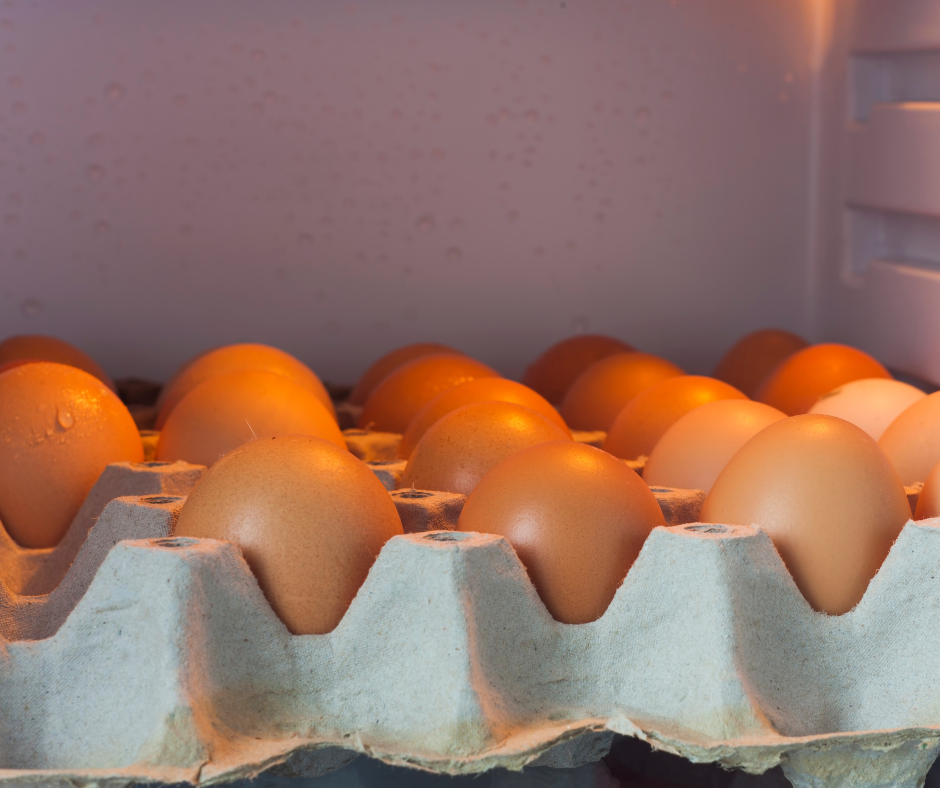
Store eggs in their original carton inside the refrigerator, rather than in the door, where temperatures fluctuate more frequently. The carton also protects the shells and helps you keep track of the relevant dates. Avoid using eggs with cracked or leaking shells, as damage can allow bacteria to enter. Always cook eggs thoroughly, particularly when serving babies, young children, pregnant women, older adults or people with weakened immune systems.
An egg that has passed its best-before date is not necessarily spoiled, but you should be cautious. Consider how it has been stored, whether the shell is intact and whether the product is still within any applicable safety guidance. The popular water test, where an egg is placed in a glass of water, can indicate its age because older eggs tend to float. However, this test cannot determine whether an egg is safe to eat. Likewise, a normal appearance does not guarantee that harmful bacteria are absent. Crack each egg into a separate bowl before use. If it has an unusual smell or appearance, discard it.
Egg dates are useful guides, but proper storage and safe handling are equally important. By checking carton labels, refrigerating eggs consistently and cooking them thoroughly, you can protect your family while making the most of this nutritious, versatile food.
Remember: When in doubt, throw it out!