Ways to Prevent an Egg from Breaking
Eggs are one of the most versatile and nutritious foods found in kitchens around the world, but they are also incredibly fragile. A cracked egg can create unnecessary waste, mess, and frustration, whether you’re transporting groceries, preparing breakfast, or baking your favourite treats. Fortunately, with a few simple habits, you can greatly reduce the chances of breaking your eggs.
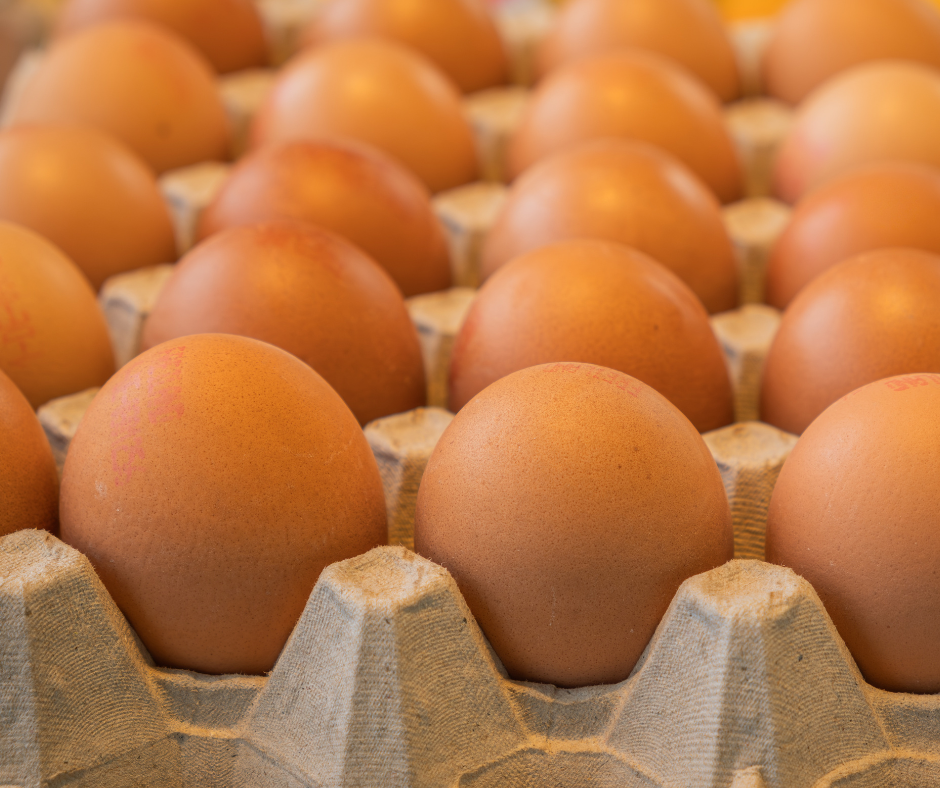
One of the easiest ways to protect eggs is by storing them correctly. Keep eggs in their original carton rather than transferring them to a bowl or the refrigerator door. The carton cushions the eggs, protects them from absorbing strong odours, and helps maintain a consistent temperature. Placing the carton on a middle refrigerator shelf instead of the door also reduces the risk of damage caused by frequent opening and closing.
Handle eggs gently whenever you use them. Avoid dropping them into bowls or onto hard surfaces. When cracking an egg, tap it lightly on a flat countertop instead of the edge of a bowl. This creates a cleaner crack and reduces the chance of shell fragments ending up in your food.
When transporting eggs home from the supermarket, place them on top of heavier groceries rather than underneath bags of fruit, vegetables, or canned goods. If you’re travelling with eggs over a long distance, consider placing the carton inside a cooler bag or wrapping it in a towel for extra cushioning.
If you’re boiling eggs, don’t place cold eggs directly into rapidly boiling water. The sudden temperature change can cause the shells to crack. Instead, allow eggs to sit at room temperature for a short while before cooking, or place them in cold water and gradually bring the water to a boil. Some people also pierce the wider end of the shell with an egg piercer to release trapped air, helping prevent cracking during cooking.
When baking or cooking, avoid knocking eggs together, as even small impacts can create tiny cracks that weaken the shell. If you notice a cracked egg before using it, cook it as soon as possible if it has remained refrigerated, rather than storing it for later.
For arts, crafts, or egg decorating, use an egg holder or soft towel to keep the egg stable while working. This provides better control and reduces accidental slips.
By storing eggs properly, handling them with care, and avoiding sudden impacts or temperature changes, you can significantly reduce breakage. These simple practices not only save money and reduce food waste but also ensure your eggs remain fresh, safe, and ready for any delicious recipe or creative project.